


How can the color difference problem of walnut board base material be solved through material selection and processing?
Release Time : 2025-12-30
The color variation issue in walnut board base material stems from the natural differences in wood grain and color. Solving this problem requires comprehensive control from material selection to processing. This involves techniques such as grading and screening, grain matching, pre-treatment optimization, and intelligent color adjustment to achieve a balance between visual uniformity and natural aesthetics.
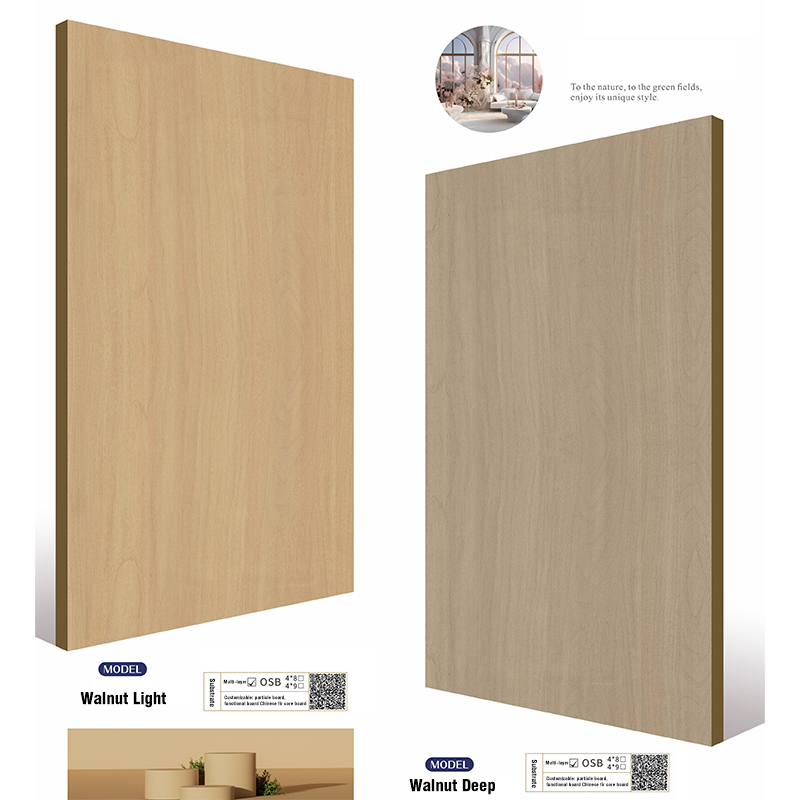
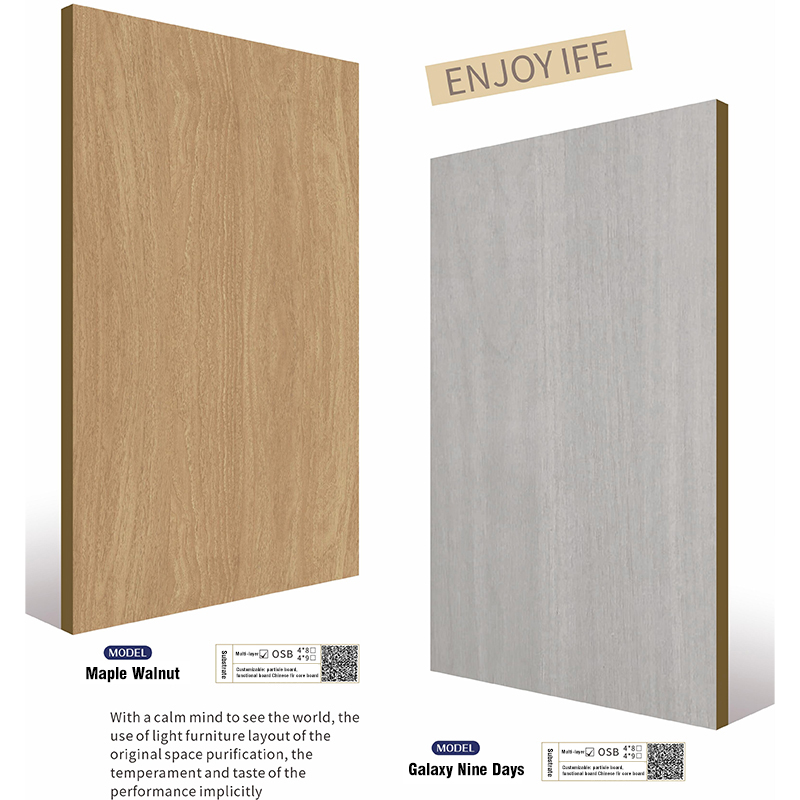
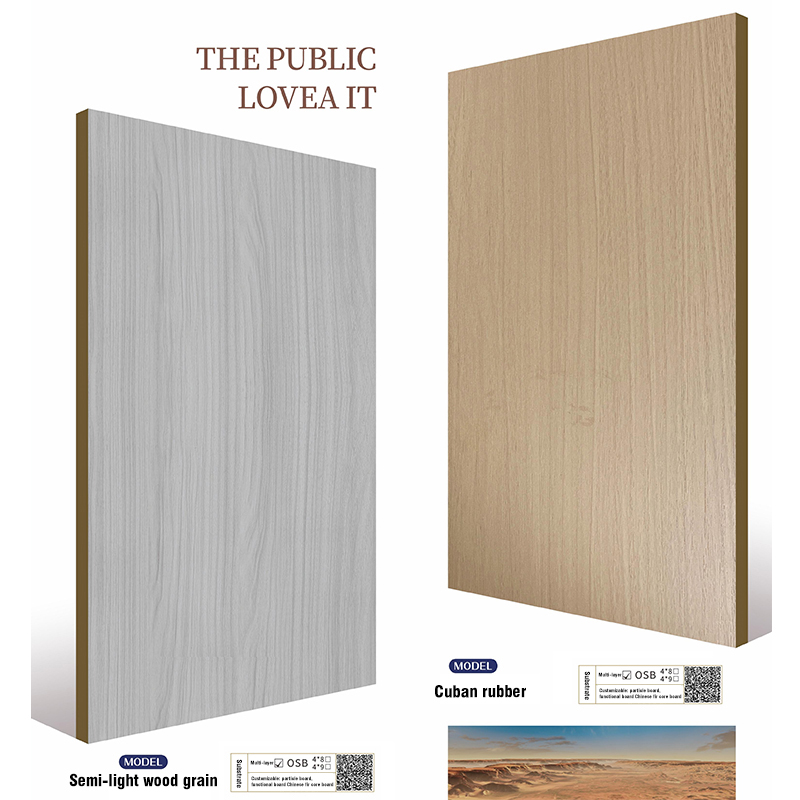
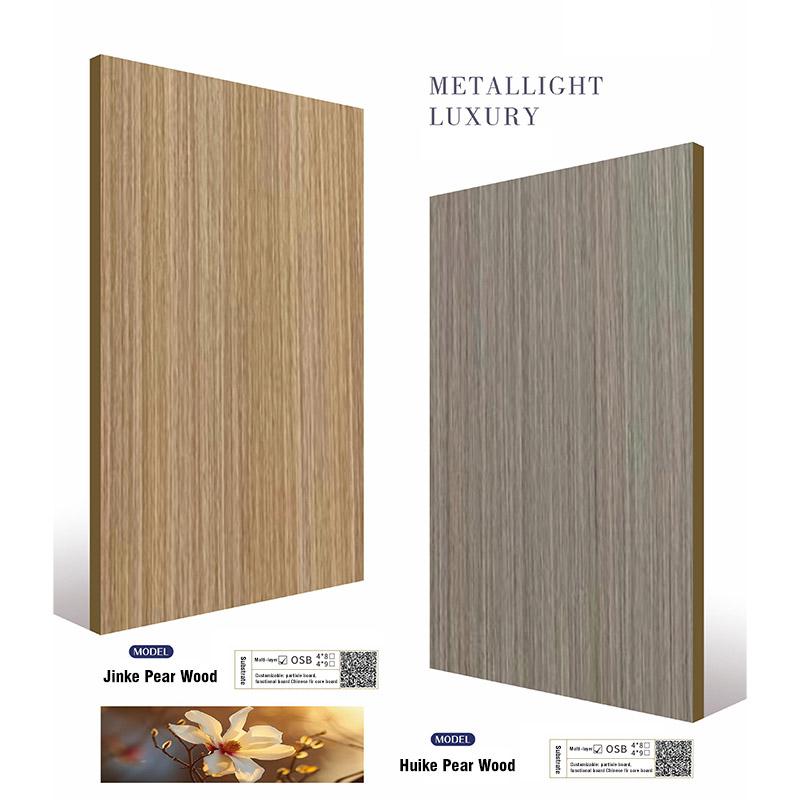
Grading and screening during the material selection stage is fundamental to controlling color variation. Due to differences in growing environment, tree age, and cutting location, walnut wood exhibits significant color differences between heartwood and sapwood. Heartwood ranges from deep chocolate to purplish-brown, while sapwood tends to be lighter yellow or grayish-white. During material selection, boards should be categorized by color family, prioritizing wood from the same batch and origin, and discarding boards with obvious color differences or jarring grain patterns. For example, high-end furniture often employs the "same tree selection" principle, using wood from specific parts of the same tree to ensure a natural color transition. For mass production, a color variation grading standard must be established, classifying boards into dark, medium, and light grades, which are then combined according to design requirements to avoid visual clashes caused by mixing different shades.
Texture matching technology can minimize the noticeable color difference. Walnut wood grain includes straight grain, mountain grain, and wavy grain, among others. Different grains reflect light at different angles, which can amplify or reduce color differences. By using manual or computer-aided layout systems to splice boards with consistent or complementary grain directions, visual continuity can be achieved. For example, alternating dark straight-grain boards with light mountain-grain boards utilizes the dynamic changes in texture to divert attention from color differences; or a "symmetrical splicing" technique can be used to symmetrically distribute boards of similar colors, creating a sense of balance. Furthermore, pre-splicing technology can simulate the final effect before processing, allowing for timely adjustments to board positions and reducing rework rates due to color differences.
Pre-treatment processes play a crucial role in color difference correction. Walnut boards require drying, bleaching, or staining before processing to unify the base color of the walnut board material. During drying, uneven moisture content can lead to differences in board shrinkage, resulting in color differences. Therefore, a constant temperature and humidity drying kiln is necessary to ensure the board moisture content is controlled within a reasonable range of 8%-12%. For boards with significant color variations, a bleaching agent can be used to remove some lignin and reduce the color depth. However, the bleaching time and concentration must be controlled to avoid damaging the wood fibers. If a deeper color is desired, environmentally friendly water-based dyes should be used, employing multiple thin coats and drying cycles to achieve uniform coloring while preserving the natural texture of the wood.
The coating process is the last line of defense in controlling color differences. Transparent coatings (such as varnish) amplify the original wood color, so it's crucial to ensure that color differences in the walnut board base material are within a controllable range. Semi-transparent or solid-color coatings can mask color differences through colorant mixing. For example, a "gradient coating" technique can be used, applying a light primer to dark areas and a dark primer to light areas, then uniformly covering with a topcoat, using light and shadow to weaken color differences. Alternatively, intelligent color mixing equipment can be used to scan the board's color and automatically generate a matching colorant formula for precise coverage. Furthermore, sanding before coating must achieve a uniform roughness to prevent uneven coating absorption due to surface unevenness, which could further exacerbate color differences.
Environmental factors also significantly impact color difference. Walnut wood undergoes color oxidation under varying light and humidity conditions; therefore, a "color difference tolerance" must be considered during material selection. This involves choosing boards slightly lighter than the target color to offset color deepening over time. Simultaneously, processing workshops and storage environments must maintain constant temperature and humidity to prevent color changes due to moisture absorption or dehydration. Moisture-proof packaging is essential during transportation to minimize the impact of environmental fluctuations on color difference.
The application of intelligent technologies provides new tools for color difference control. High-precision colorimeters can quantify the Lab* values (lightness, red-green axis, yellow-blue axis) of the boards, establishing a color difference database to support material selection and layout. AI image recognition systems can automatically identify board texture and color differences, generating optimal splicing schemes and reducing the subjectivity of manual judgment. 3D scanning technology can simulate the effect after coating, predict color difference performance in advance, and optimize process parameters.
Ultimately, color difference control of walnut board base material requires finding a balance between natural aesthetics and industrial standards. Completely eliminating color differences would diminish the natural texture of the wood, while excessive neglect would affect product quality. Through a comprehensive approach involving grading and screening, texture matching, pretreatment optimization, intelligent coating, and environmental control, visual harmony and unity can be achieved while preserving the unique grain of walnut wood, thus meeting the dual demands of high-end furniture for both quality and aesthetics.