


Can walnut board base material, with its natural texture and stable performance, become a timeless choice for high-end interior design?
Release Time : 2026-01-27
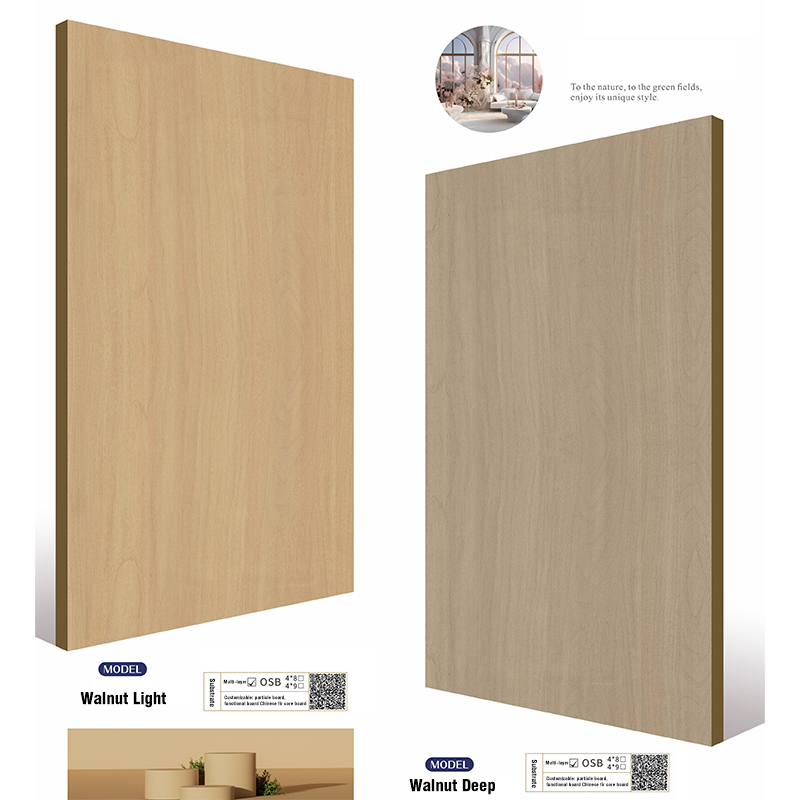
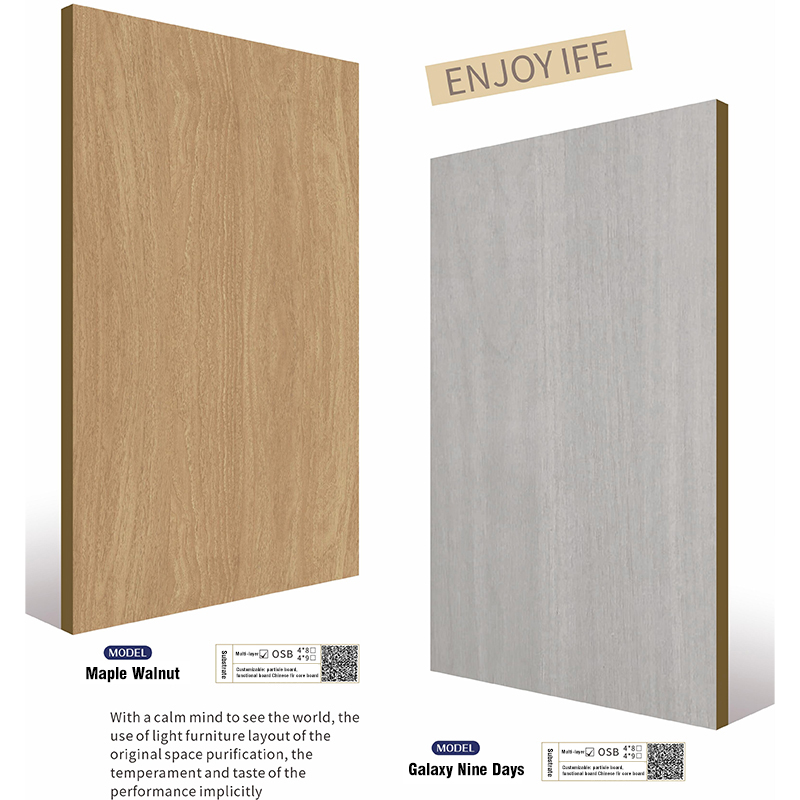
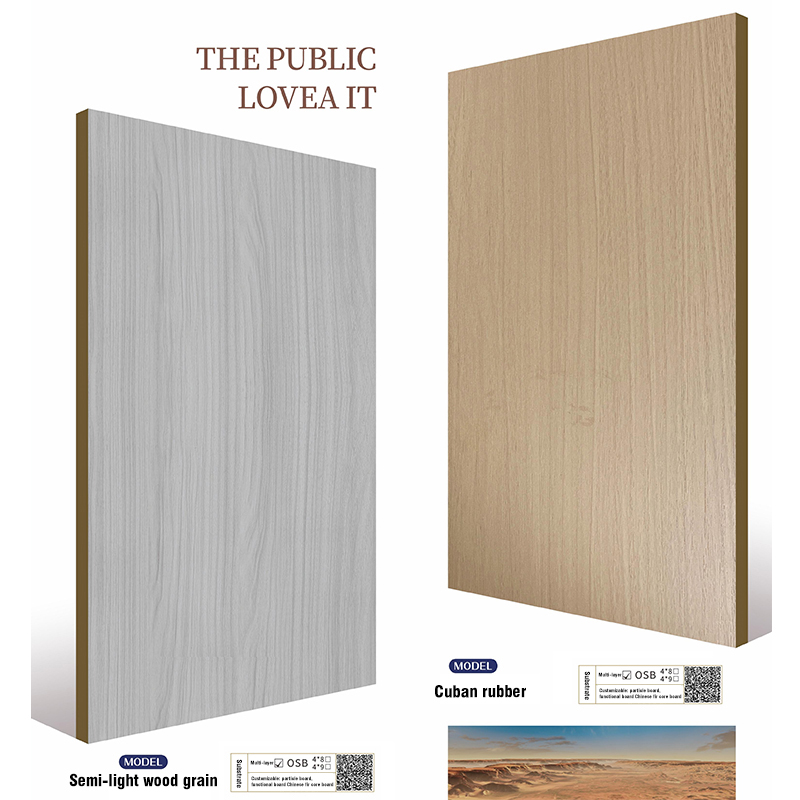
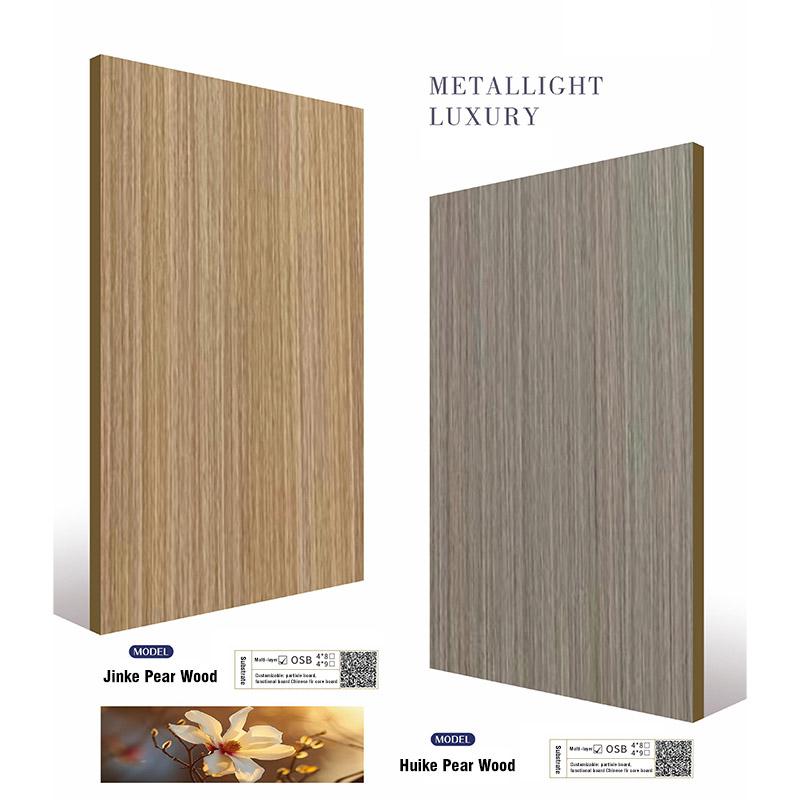
In the contemporary design context that pursues nature, texture, and lasting value, wood remains an irreplaceable decorative language. Walnut board base material—with its deep chocolate brown color, flowing mountain-shaped or straight-grained texture, and just the right balance of hardness and toughness—has long transcended the realm of ordinary building materials, becoming a signature element in high-end residences, boutique hotels, art galleries, and even office spaces. It doesn't rely on artificial embellishment to please the eye, but rather conveys a calm, elegant, and enduring philosophy of life through the wood grain that has matured over time, its warm, jade-like touch, and its inherent structural stability.
Its core charm stems first and foremost from the natural endowments of the wood itself. Walnut grows slowly, resulting in a dense and uniform grain. It possesses sufficient hardness to resist daily scratches and indentations, while also having moderate toughness, making it less prone to cracking or chipping during processing. After scientific drying and stress-release treatment, the moisture content of the boards remains stable, maintaining dimensional stability even in environments with seasonal changes or humidity fluctuations, preventing warping, shrinkage, or widening of seams. This "balanced strength and flexibility" physical characteristic lays a solid foundation for subsequent fine processing and long-term use.
Visually, the grain of walnut wood is itself a flowing work of art. From delicate, silky straight grain to bold, picturesque landscape patterns, each board is unique, carrying the memory of the tree's growth rings. The interplay of light and dark tones subtly changes under natural light, becoming increasingly mellow and warm over time. Whether used extensively on walls and floors, or as furniture panels, stair treads, or custom cabinetry, walnut wood creates a restrained yet luxurious spatial atmosphere, neither overly ostentatious nor lacking in sophistication.
A deeper value lies in its ultimate embrace of craftsmanship and detail. Walnut wood is easy to plan, carve, and sand, allowing for precise reproduction of complex design intentions. Its surface can be finished with various methods such as wood wax oil, varnish, or open-pore lacquer, preserving the natural breathability of its pores while enhancing its wear resistance and stain resistance. Details such as edge beveling, joint treatment, and seamless finishing are perfectly presented on walnut wood, creating a unified overall effect. This craftsmanship-friendly nature allows designers to pursue minimalist lines or complex curves without worrying about material limitations.
Furthermore, environmental protection and sustainability are integrated into its life cycle. High-quality walnut wood mostly comes from certified sustainable forests, with harvesting and processing prioritizing ecological balance. Its natural biodegradability and long lifespan significantly reduce resource waste and the frequency of renovation. A carefully maintained walnut floor or wall panel can accompany you for decades or even generations, developing a unique patina and a sense of history over time—the "slow value" most scarce in our fast-paced world.
Ultimately, the significance of walnut board base material lies not in the size of the area it covers, but in how it imbues a space with warmth and memory. When fingertips trace the undulating wood grain, when the gaze lingers on the warm brown hues in the morning light, the connection between humanity and nature is quietly rebuilt. Because in truly sophisticated decorative logic, timeless beauty is not a replication of trends, but rather allowing a piece of wood, in its original form, to quietly speak of the weight of time, craftsmanship, and life—steadfast as ever, enduring and ever-new.
Its core charm stems first and foremost from the natural endowments of the wood itself. Walnut grows slowly, resulting in a dense and uniform grain. It possesses sufficient hardness to resist daily scratches and indentations, while also having moderate toughness, making it less prone to cracking or chipping during processing. After scientific drying and stress-release treatment, the moisture content of the boards remains stable, maintaining dimensional stability even in environments with seasonal changes or humidity fluctuations, preventing warping, shrinkage, or widening of seams. This "balanced strength and flexibility" physical characteristic lays a solid foundation for subsequent fine processing and long-term use.
Visually, the grain of walnut wood is itself a flowing work of art. From delicate, silky straight grain to bold, picturesque landscape patterns, each board is unique, carrying the memory of the tree's growth rings. The interplay of light and dark tones subtly changes under natural light, becoming increasingly mellow and warm over time. Whether used extensively on walls and floors, or as furniture panels, stair treads, or custom cabinetry, walnut wood creates a restrained yet luxurious spatial atmosphere, neither overly ostentatious nor lacking in sophistication.
A deeper value lies in its ultimate embrace of craftsmanship and detail. Walnut wood is easy to plan, carve, and sand, allowing for precise reproduction of complex design intentions. Its surface can be finished with various methods such as wood wax oil, varnish, or open-pore lacquer, preserving the natural breathability of its pores while enhancing its wear resistance and stain resistance. Details such as edge beveling, joint treatment, and seamless finishing are perfectly presented on walnut wood, creating a unified overall effect. This craftsmanship-friendly nature allows designers to pursue minimalist lines or complex curves without worrying about material limitations.
Furthermore, environmental protection and sustainability are integrated into its life cycle. High-quality walnut wood mostly comes from certified sustainable forests, with harvesting and processing prioritizing ecological balance. Its natural biodegradability and long lifespan significantly reduce resource waste and the frequency of renovation. A carefully maintained walnut floor or wall panel can accompany you for decades or even generations, developing a unique patina and a sense of history over time—the "slow value" most scarce in our fast-paced world.
Ultimately, the significance of walnut board base material lies not in the size of the area it covers, but in how it imbues a space with warmth and memory. When fingertips trace the undulating wood grain, when the gaze lingers on the warm brown hues in the morning light, the connection between humanity and nature is quietly rebuilt. Because in truly sophisticated decorative logic, timeless beauty is not a replication of trends, but rather allowing a piece of wood, in its original form, to quietly speak of the weight of time, craftsmanship, and life—steadfast as ever, enduring and ever-new.