


Can pear wood board base material, with its natural texture and stable performance, become an elegant cornerstone of modern interior design?
Release Time : 2026-02-04
In home design and public space creation, material selection is not only about visual aesthetics but also directly impacts user experience and long-term durability. Pear wood board base material—refined from high-quality pear wood—is becoming an ideal medium for high-end custom furniture, wall coverings, display systems, and even the detailed construction of commercial spaces, thanks to its moderate hardness, good toughness, delicate texture, and excellent processing stability. It is understated yet conveys a respect for the quality of life and a commitment to craftsmanship through its warm wood color and natural texture.
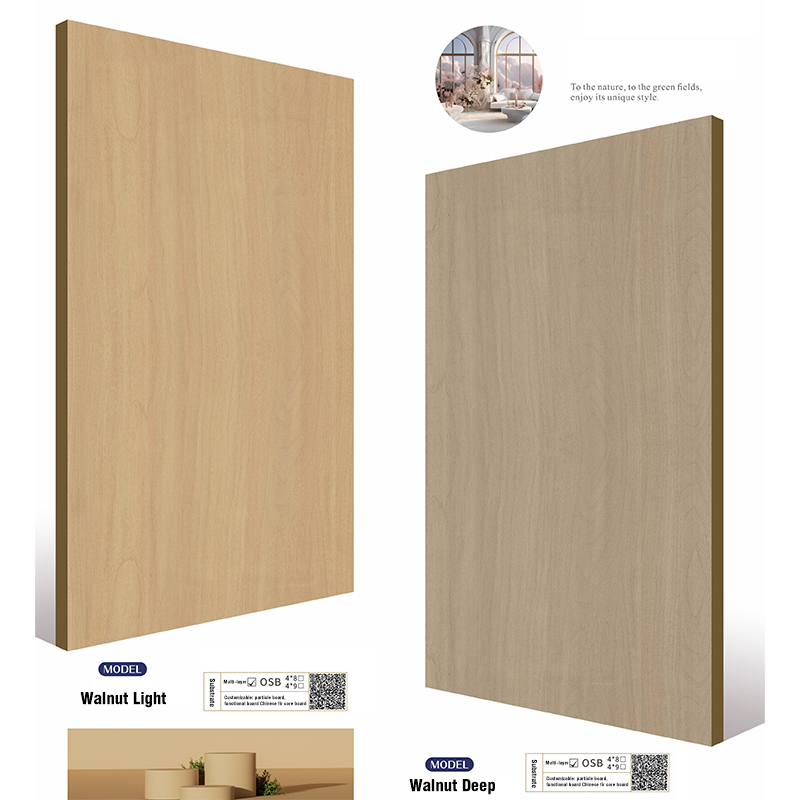
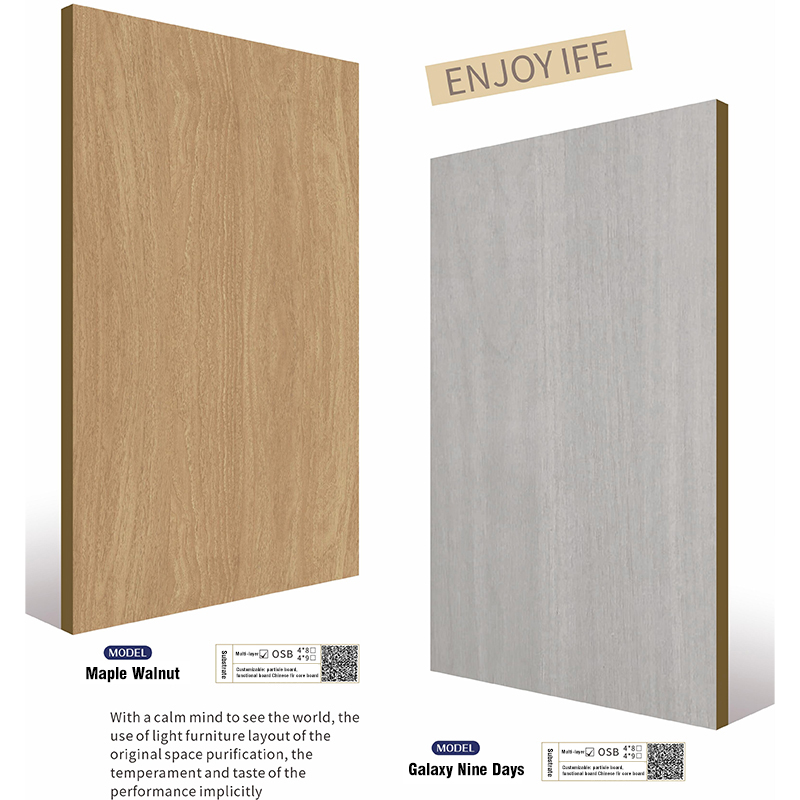
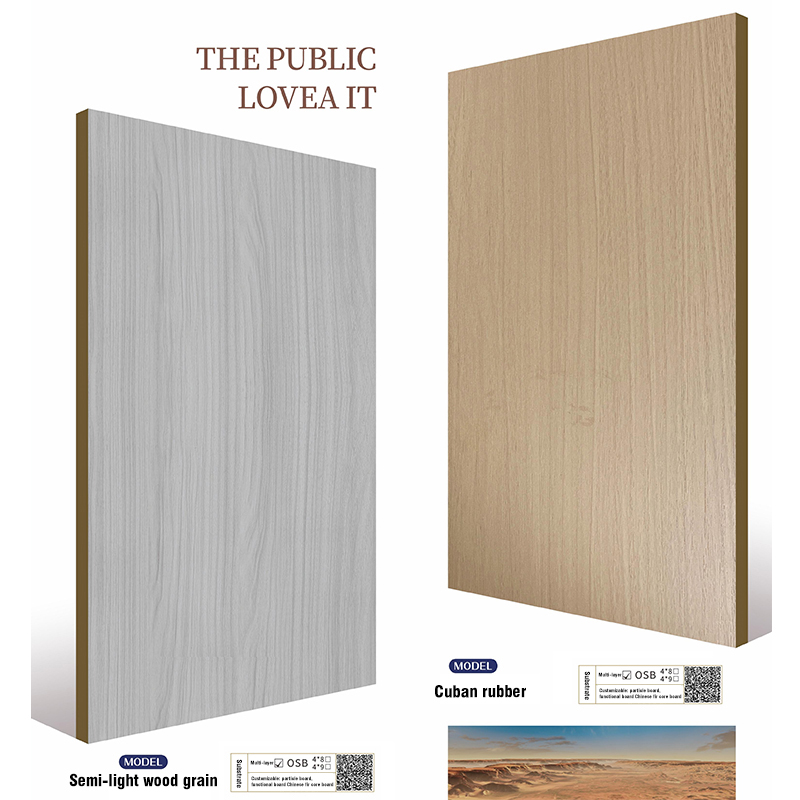
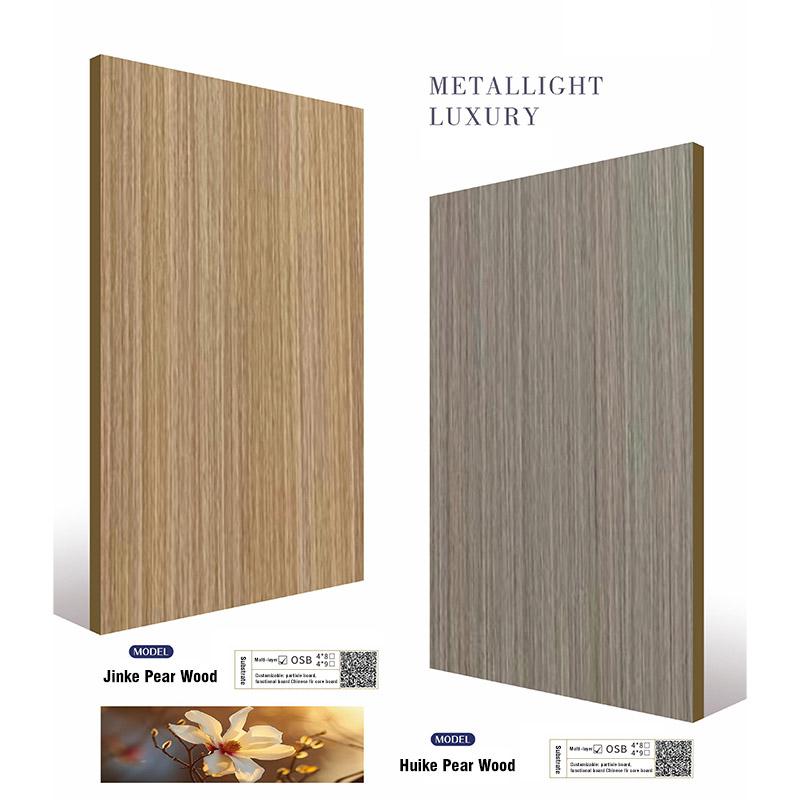
Its core value lies first and foremost in the natural advantages of pear wood itself. Pear wood has a long growth cycle, a fine and uniform wood structure, clear but not abrupt growth rings, and a color that ranges from light yellowish-brown to warm gray, gradually developing a soft amber luster over time. With a hardness between softwood and hardwood, pear wood is resistant to deep scratches and easy to carve, mill, or sand, making it suitable for creating complex moldings, inlaid handles, or curved shapes. More importantly, pear wood, after scientific drying and stress balancing treatment, has precisely controlled moisture content, maintaining dimensional stability under varying temperature and humidity conditions, significantly reducing the risk of cracking, warping, or joint deformation.
In terms of processing and application, its excellent plasticity supports diverse design expressions. Whether used for cabinet doors, desk tops, or as decorative panels for feature walls, pear wood perfectly supports varnishes, wood wax oils, or staining processes, highlighting the flowing nature of its natural grain. Its surface is smooth without large pores, and after finishing, it is as smooth as satin with a warm touch. In public spaces such as hotel lobbies, art galleries, or high-end retail spaces, the understated luxury and neutral tones of pear wood harmonize with various materials such as metal, stone, and fabrics, creating an atmosphere that combines human warmth with modern simplicity.
A deeper meaning lies in its response to sustainable and healthy living environments. HKC prioritizes environmental standards in material selection and production, ensuring the legality and compliance of timber sources and that adhesives meet low formaldehyde emission requirements to guarantee indoor air quality. Pear wood itself has no pungent odor and, after treatment, is less prone to mold and insect infestation, making it suitable for health-sensitive environments such as homes, schools, and medical facilities. This "from nature, for peace of mind" characteristic elevates it beyond mere decoration, making it a material embodiment of a healthy lifestyle.
Furthermore, its stability and durability give it long-term value. Compared to easily deformed fast-growing timber or expensive rare hardwoods, pear wood panels achieve a delicate balance between performance and cost. In daily use, simple wiping is all it takes to maintain cleanliness; even after years of use, its structure remains robust, and the surface can be restored to its shine with light refinishing. This "lasting beauty" quality aligns with contemporary consumers' consumption philosophy of "less is more" and "long-lasting use," reducing resource waste and extending product lifecycles.
Ultimately, the value of a piece of pear wood board base material lies not in which forest it comes from, but in how it imbues a space with a breathing warmth and the marks of time. When morning light brushes across the wood grain, when fingertips caress the warm surface—at that moment, the material transcends mere decoration, becoming a vessel for life's memories. Because in true human-centered aesthetics, sophisticated quality is not about ostentatious displays, but about using natural materials to carry the poetry of everyday life—silent as wood, yet resonating within itself.
Its core value lies first and foremost in the natural advantages of pear wood itself. Pear wood has a long growth cycle, a fine and uniform wood structure, clear but not abrupt growth rings, and a color that ranges from light yellowish-brown to warm gray, gradually developing a soft amber luster over time. With a hardness between softwood and hardwood, pear wood is resistant to deep scratches and easy to carve, mill, or sand, making it suitable for creating complex moldings, inlaid handles, or curved shapes. More importantly, pear wood, after scientific drying and stress balancing treatment, has precisely controlled moisture content, maintaining dimensional stability under varying temperature and humidity conditions, significantly reducing the risk of cracking, warping, or joint deformation.
In terms of processing and application, its excellent plasticity supports diverse design expressions. Whether used for cabinet doors, desk tops, or as decorative panels for feature walls, pear wood perfectly supports varnishes, wood wax oils, or staining processes, highlighting the flowing nature of its natural grain. Its surface is smooth without large pores, and after finishing, it is as smooth as satin with a warm touch. In public spaces such as hotel lobbies, art galleries, or high-end retail spaces, the understated luxury and neutral tones of pear wood harmonize with various materials such as metal, stone, and fabrics, creating an atmosphere that combines human warmth with modern simplicity.
A deeper meaning lies in its response to sustainable and healthy living environments. HKC prioritizes environmental standards in material selection and production, ensuring the legality and compliance of timber sources and that adhesives meet low formaldehyde emission requirements to guarantee indoor air quality. Pear wood itself has no pungent odor and, after treatment, is less prone to mold and insect infestation, making it suitable for health-sensitive environments such as homes, schools, and medical facilities. This "from nature, for peace of mind" characteristic elevates it beyond mere decoration, making it a material embodiment of a healthy lifestyle.
Furthermore, its stability and durability give it long-term value. Compared to easily deformed fast-growing timber or expensive rare hardwoods, pear wood panels achieve a delicate balance between performance and cost. In daily use, simple wiping is all it takes to maintain cleanliness; even after years of use, its structure remains robust, and the surface can be restored to its shine with light refinishing. This "lasting beauty" quality aligns with contemporary consumers' consumption philosophy of "less is more" and "long-lasting use," reducing resource waste and extending product lifecycles.
Ultimately, the value of a piece of pear wood board base material lies not in which forest it comes from, but in how it imbues a space with a breathing warmth and the marks of time. When morning light brushes across the wood grain, when fingertips caress the warm surface—at that moment, the material transcends mere decoration, becoming a vessel for life's memories. Because in true human-centered aesthetics, sophisticated quality is not about ostentatious displays, but about using natural materials to carry the poetry of everyday life—silent as wood, yet resonating within itself.